
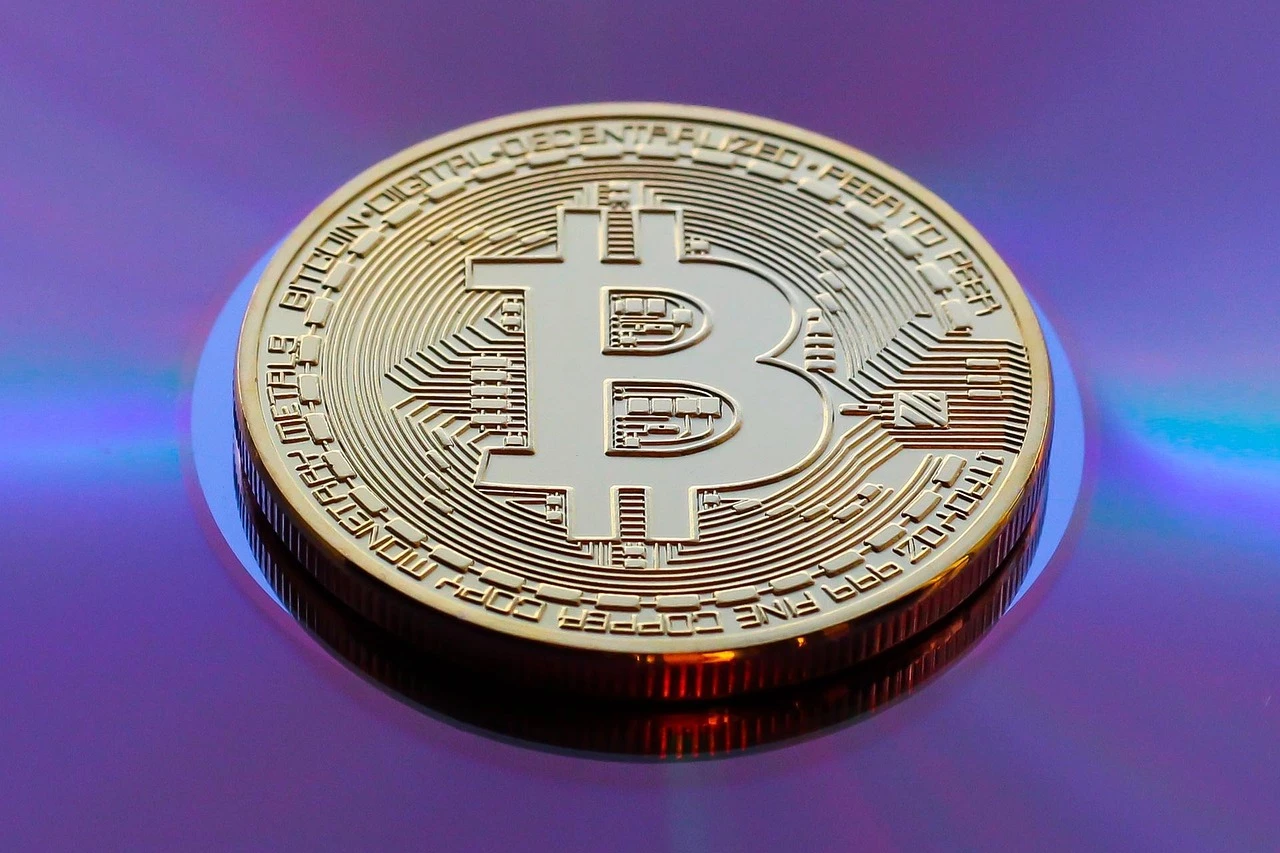
Decentralized Finance: The Rise of DeFi and Its Impact on Traditional Finance
This article covers KULA and related crypto trends with practical context. Decentralized finance, commonly known as DeFi, has emerged as a revolutionary force in the cryptocurrency landscape. As the demand for financial inclusivity and innovation grows, DeFi projects are gaining traction, attracting users and investors alike. With its promise of transparency, accessibility, and efficiency, DeFi is reshaping the way we think about financial services. This article delves into the mechanisms behind DeFi, its implications for traditional finance, and the future it holds.
This guide gives you a concise, actionable overview of the topic and why it matters now.
What is Decentralized Finance (DeFi)?
The Core Principles of DeFi
At its essence, decentralized finance refers to a suite of financial applications built on blockchain technology. Unlike traditional finance, which relies on centralized institutions like banks and brokers, DeFi operates on a peer-to-peer model. This eliminates intermediaries, allowing users to engage directly with financial services such as lending, borrowing, and trading. The core principles of DeFi include transparency, security, and programmability, which are facilitated by smart contracts on blockchain platforms.
Key Components of DeFi
DeFi encompasses a variety of components that work together to create a robust ecosystem. These include decentralized exchanges (DEXs) that allow users to trade cryptocurrencies without a central authority, lending platforms that enable users to borrow or lend assets in a trustless environment, and yield farming protocols that incentivize users to provide liquidity to the market. Each component plays a crucial role in enhancing the overall functionality and appeal of DeFi.
The Impact of DeFi on Traditional Financial Systems
Disruption of Conventional Banking
DeFi presents a significant challenge to conventional banking systems. By providing users with access to financial services without the need for a bank account, DeFi promotes financial inclusion, particularly for the unbanked population. This shift could lead to a decrease in the reliance on traditional banks, compelling them to innovate and adapt to the changing landscape. As more users turn to DeFi, banks may be forced to reassess their business models and service offerings.
Investment Opportunities and Risks
While DeFi offers exciting investment opportunities, it also comes with inherent risks. Users can potentially earn high yields through yield farming and liquidity provision, but these activities can expose them to volatility and impermanent loss. Moreover, the nascent nature of DeFi means that smart contract vulnerabilities and regulatory uncertainties pose additional risks. Investors must conduct thorough research and understand the risks involved before diving into the DeFi space.
Future Trends in DeFi
Interoperability and Cross-Chain Solutions
As DeFi continues to evolve, interoperability among different blockchain networks will become increasingly vital. Cross-chain solutions aim to enable seamless interactions between disparate blockchains, allowing users to leverage the strengths of various platforms. This could lead to the emergence of more sophisticated DeFi applications that tap into multiple ecosystems, enhancing liquidity and user experience.
Institutional Adoption and Regulation
The growing interest from institutional investors in DeFi signals a maturation of the sector. As more hedge funds and asset managers explore DeFi opportunities, regulatory frameworks will likely evolve to address the unique challenges posed by decentralized finance. This could result in greater legitimacy for DeFi projects and a more secure environment for users, fostering wider adoption.
Practical Considerations
What to watch
Focus on costs, liquidity, security, and user experience.
Clarity in scope and metrics keeps teams aligned in Decentralized Finance: The Rise of DeFi and Its Impact on Traditional Finance. Write crisp definitions of done, instrument the path to green, and audit dependencies. Small, testable changes lower risk and speed up feedback. Focus on liquidity, counterparty risk, and execution quality in Decentralized Finance: The Rise of DeFi and Its Impact on Traditional Finance. Prefer clear fee schedules and avoid hidden slippage. When uncertainty rises, reduce position size and extend review intervals. Builders who last in Decentralized Finance: The Rise of DeFi and Its Impact on Traditional Finance do unglamorous work. Document edge cases, measure latency, track fees and liquidity, and review error budgets. Discipline compounds faster than hot takes. Treat KULA as one variable in a wider model. Operating in Decentralized Finance: The Rise of DeFi and Its Impact on Traditional Finance benefits from early telemetry and automated dashboards. Transparency reduces rework and panic moves. When KULA shifts, context is already captured, so you can adjust calmly instead of reacting late.
Clarity in scope and metrics keeps teams aligned in Decentralized Finance: The Rise of DeFi and Its Impact on Traditional Finance. Write crisp definitions of done, instrument the path to green, and audit dependencies. Small, testable changes lower risk and speed up feedback. Focus on liquidity, counterparty risk, and execution quality in Decentralized Finance: The Rise of DeFi and Its Impact on Traditional Finance. Prefer clear fee schedules and avoid hidden slippage. When uncertainty rises, reduce position size and extend review intervals. Builders who last in Decentralized Finance: The Rise of DeFi and Its Impact on Traditional Finance do unglamorous work. Document edge cases, measure latency, track fees and liquidity, and review error budgets. Discipline compounds faster than hot takes. Treat KULA as one variable in a wider model.
Key Takeaways
- Document assumptions and invalidation.
- Size positions small and review weekly.
- Avoid leverage creep during volatility.
- Test changes on small capital first.