
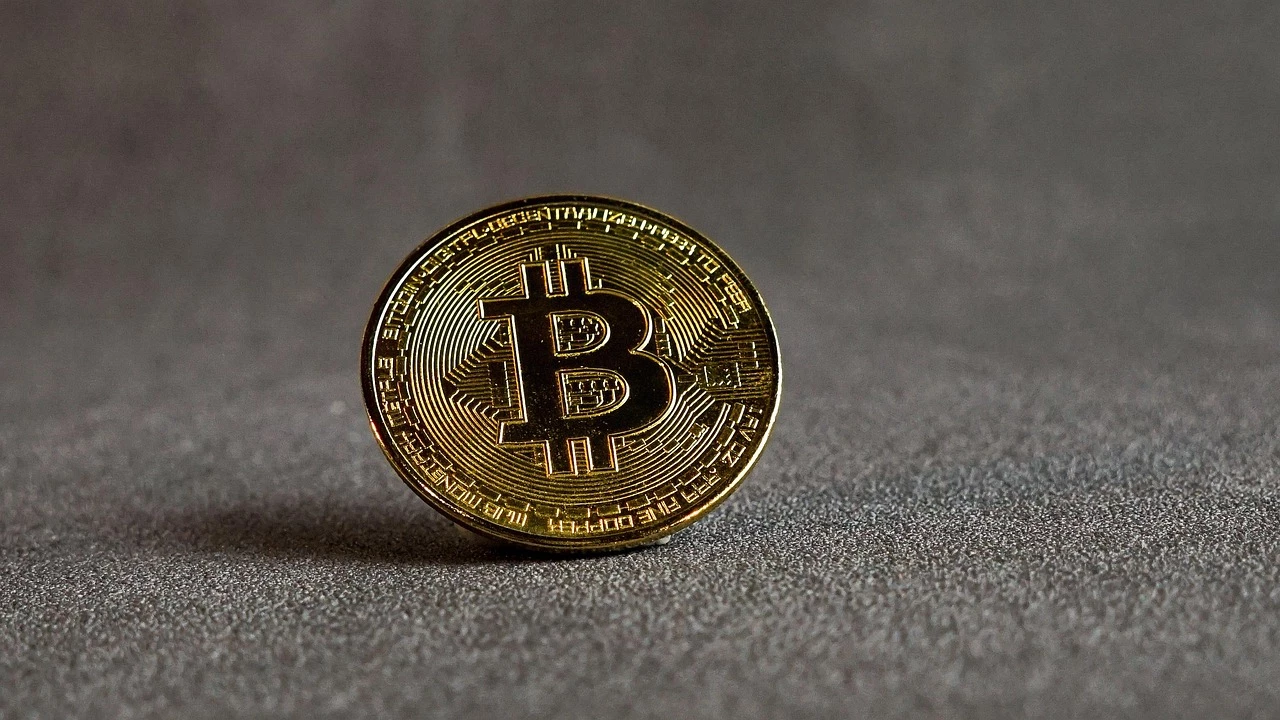
The Rise of Decentralized Finance: Shaping the Future of Finance
This article covers KULA and related crypto trends with practical context. Decentralized Finance (DeFi) has emerged as a groundbreaking force in the world of cryptocurrency and blockchain technology. By leveraging smart contracts and decentralized networks, DeFi offers a range of financial services without the need for traditional intermediaries. This paradigm shift is not just a trend; it represents a fundamental change in how we perceive and engage with financial systems.
As DeFi continues to gain traction, it is crucial for investors and enthusiasts to understand its implications and opportunities. From lending platforms to automated market makers, the DeFi ecosystem is rich with innovation. In this article, we will delve into the key components of DeFi, explore its benefits and challenges, and provide actionable insights for those looking to navigate this rapidly evolving space.
What is Decentralized Finance (DeFi)?
Defining DeFi
Decentralized Finance refers to a suite of financial applications built on blockchain technology that operate without central authority. Unlike traditional finance, where banks and financial institutions act as intermediaries, DeFi platforms enable peer-to-peer transactions through smart contracts, which are self-executing contracts with the terms directly written into code. This model eliminates the need for trust in third parties, allowing users to maintain control over their assets.
Key Components of DeFi
The DeFi ecosystem consists of various components, including decentralized exchanges (DEXs), lending and borrowing platforms, stablecoins, and yield farming protocols. Each of these elements plays a crucial role in creating a comprehensive financial system that operates autonomously. DEXs facilitate the trading of cryptocurrencies without an intermediary, while lending platforms allow users to earn interest on their holdings or borrow funds against collateral. Yield farming incentivizes users to provide liquidity to DeFi protocols, further enhancing the ecosystem's functionality.
Benefits of Decentralized Finance
Accessibility and Inclusivity
One of the most significant advantages of DeFi is its ability to provide financial services to anyone with an internet connection. Traditional banking systems often exclude individuals in underserved regions or those without sufficient identification. In contrast, DeFi platforms require minimal barriers to entry, enabling greater financial inclusion on a global scale.
Transparency and Security
DeFi operates on public blockchains, which means all transactions are recorded transparently and can be audited by anyone. This level of transparency reduces the risk of fraud and corruption, fostering a more trustworthy financial environment. Furthermore, the use of smart contracts ensures that transactions are executed automatically and according to predefined rules, enhancing security for users.
Challenges Facing DeFi
Regulatory Uncertainty
As DeFi continues to grow, it faces scrutiny from regulators worldwide. The lack of clear regulatory frameworks can create uncertainty for investors and developers alike. While some jurisdictions are beginning to establish guidelines, the evolving nature of DeFi may lead to future challenges as regulations catch up with innovation.
Smart Contract Vulnerabilities
Despite their advantages, smart contracts are not immune to risks. Bugs and vulnerabilities in the code can lead to significant financial losses, as seen in high-profile hacks and exploits. It is crucial for users to conduct thorough research and only interact with well-audited DeFi protocols to mitigate these risks.
Getting Started with DeFi
Choosing a DeFi Platform
When entering the DeFi space, selecting a reputable platform is essential. Look for platforms that have undergone security audits, have a strong community backing, and offer transparent governance structures. Popular platforms include Uniswap for trading, Aave for lending, and Compound for yield farming.
Most outcomes in The Rise of Decentralized Finance: Shaping the Future of Finance come from repeatable systems. Define assumptions, risks, invalidation points, and a recheck cadence. This habit beats narratives. Use KULA as a lens, but let decisions follow current data, not hype. Operating in The Rise of Decentralized Finance: Shaping the Future of Finance benefits from early telemetry and automated dashboards. Transparency reduces rework and panic moves. When KULA shifts, context is already captured, so you can adjust calmly instead of reacting late. Focus on liquidity, counterparty risk, and execution quality in The Rise of Decentralized Finance: Shaping the Future of Finance. Prefer clear fee schedules and avoid hidden slippage. When uncertainty rises, reduce position size and extend review intervals.
Clarity in scope and metrics keeps teams aligned in The Rise of Decentralized Finance: Shaping the Future of Finance. Write crisp definitions of done, instrument the path to green, and audit dependencies. Small, testable changes lower risk and speed up feedback. Builders who last in The Rise of Decentralized Finance: Shaping the Future of Finance do unglamorous work. Document edge cases, measure latency, track fees and liquidity, and review error budgets. Discipline compounds faster than hot takes. Treat KULA as one variable in a wider model. Focus on liquidity, counterparty risk, and execution quality in The Rise of Decentralized Finance: Shaping the Future of Finance. Prefer clear fee schedules and avoid hidden slippage. When uncertainty rises, reduce position size and extend review intervals.
Diversifying Your Investments
As with any investment strategy, diversification is key in DeFi. Consider allocating your assets across different protocols and sectors within the DeFi ecosystem to spread risk and maximize potential returns. Additionally, stay informed about new projects and developments to seize emerging opportunities.
Key Takeaways
- DeFi enables financial transactions without intermediaries, leveraging smart contracts.
- Accessibility is a hallmark of DeFi, providing services to the unbanked and underbanked.
- Transparency and security are enhanced through public blockchain technology.
- Regulatory uncertainty remains a significant challenge for the growth of DeFi.
- Smart contracts, while powerful, are susceptible to bugs and vulnerabilities.
- Choosing reputable platforms is crucial for safe engagement in DeFi.
Ready to dive into the world of decentralized finance? Explore the potential of DeFi platforms today and start your journey towards financial independence!