
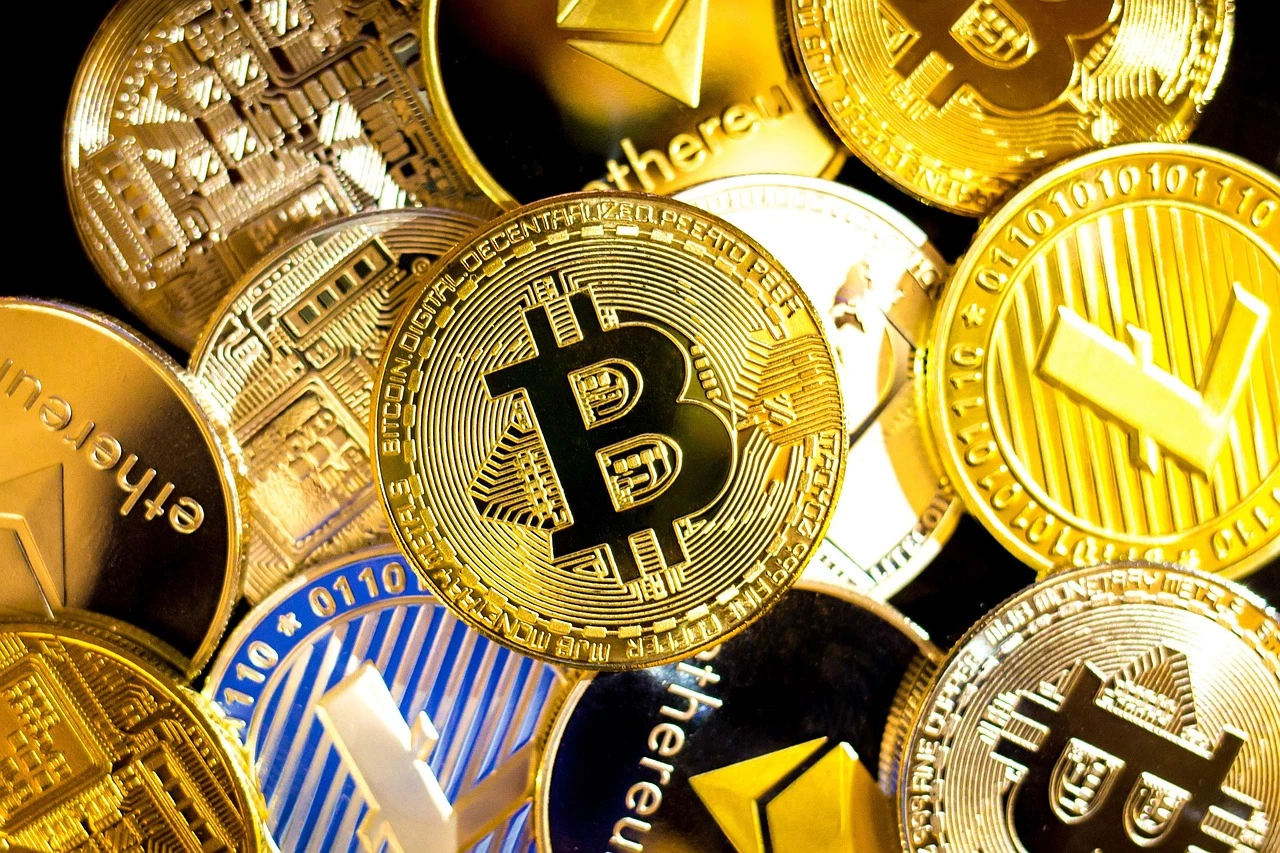
The Rise of Decentralized Finance: Why It Matters More Than Ever
This article covers KULA and related crypto trends with practical context. Decentralized Finance, often referred to as DeFi, is reshaping the landscape of traditional finance by leveraging blockchain technology. In a world where financial services are increasingly centralized, DeFi offers an alternative that is open, transparent, and accessible. With its rapid growth, DeFi is becoming a focal point for investors and innovators alike, presenting both opportunities and challenges that demand attention.
As platforms and protocols continue to evolve, understanding the mechanics of DeFi is crucial for anyone involved in cryptocurrency. From lending and borrowing to yield farming and liquidity pools, the DeFi ecosystem is complex yet rewarding. This article dives deep into what makes DeFi significant today and what its future holds.
What is Decentralized Finance?
Defining DeFi
Decentralized Finance refers to a financial system that operates without a central authority, using smart contracts on blockchains. Unlike traditional finance, where banks and intermediaries play a key role, DeFi allows users to transact directly with one another, providing greater control over their assets. This paradigm shift is driven by blockchain technology, which ensures transparency and security.
At its core, DeFi aims to recreate and improve upon traditional financial instruments—like loans, insurance, and trading—by utilizing decentralized networks. This not only reduces costs associated with intermediaries but also enhances accessibility for users worldwide.
Key Components of DeFi
DeFi encompasses a variety of components that work together to create a robust ecosystem. These include decentralized exchanges (DEXs), lending platforms, stablecoins, and yield farming opportunities. DEXs allow users to trade cryptocurrencies without a central authority, while lending platforms enable users to borrow and lend assets without intermediaries. Stablecoins are often used to mitigate volatility, and yield farming allows users to earn rewards for providing liquidity to various protocols.
The Growth of DeFi
Market Trends and Statistics
The DeFi sector has seen exponential growth over the past few years, with total value locked (TVL) in DeFi protocols reaching unprecedented levels. This growth can be attributed to increased user adoption, innovative financial products, and a shift in investor sentiment towards decentralized solutions. As traditional finance grapples with challenges such as inflation and market volatility, more individuals are turning to DeFi for potential higher returns and greater autonomy over their finances.
As of late 2023, DeFi protocols have collectively locked billions of dollars, indicating a strong confidence among users. This trend is expected to continue as more people become aware of the benefits and functionalities that DeFi offers.
Challenges Facing DeFi
Despite its rapid growth, DeFi is not without challenges. Issues such as smart contract vulnerabilities, regulatory scrutiny, and market volatility pose significant risks. Hacks and exploits have been known to occur, leading to substantial losses for users. Additionally, the lack of regulatory clarity can create uncertainty, deterring potential investors from entering the space.
Addressing these challenges will be crucial for the long-term viability of DeFi. Developers and projects must prioritize security measures and transparency to build trust within the community.
The Future of DeFi
Potential Developments
The future of DeFi looks promising, with ongoing innovations set to enhance its functionalities. Integration with traditional finance, known as 'CeFi,' could pave the way for hybrid solutions that leverage the best of both worlds. This could include partnerships between DeFi protocols and established financial institutions, enabling users to access a broader range of services.
Furthermore, advancements in technology, such as layer-2 solutions and interoperability between blockchains, are likely to make DeFi more efficient and user-friendly. As these developments unfold, we can expect DeFi to become an integral part of the global financial system.
Regulatory Outlook
As DeFi continues to grow, regulators worldwide are beginning to take notice. While some jurisdictions may impose strict regulations, others may adopt a more lenient approach, allowing innovation to flourish. The outcome of this regulatory landscape will significantly impact the evolution of DeFi and its acceptance in mainstream finance.
Engaging with regulators and promoting best practices within the DeFi community will be essential for fostering a sustainable environment that encourages innovation while protecting users.
Practical Considerations
What to watch
Focus on costs, liquidity, security, and user experience.
Operating in The Rise of Decentralized Finance: Why It Matters More Than Ever benefits from early telemetry and automated dashboards. Transparency reduces rework and panic moves. When KULA shifts, context is already captured, so you can adjust calmly instead of reacting late. Builders who last in The Rise of Decentralized Finance: Why It Matters More Than Ever do unglamorous work. Document edge cases, measure latency, track fees and liquidity, and review error budgets. Discipline compounds faster than hot takes. Treat KULA as one variable in a wider model. Most outcomes in The Rise of Decentralized Finance: Why It Matters More Than Ever come from repeatable systems. Define assumptions, risks, invalidation points, and a recheck cadence. This habit beats narratives. Use KULA as a lens, but let decisions follow current data, not hype.
Key Takeaways
- Automate logs and alert on anomalies.
- Cut losers early, let winners work.
- Prefer liquid venues and clear fees.
- Avoid leverage creep during volatility.