
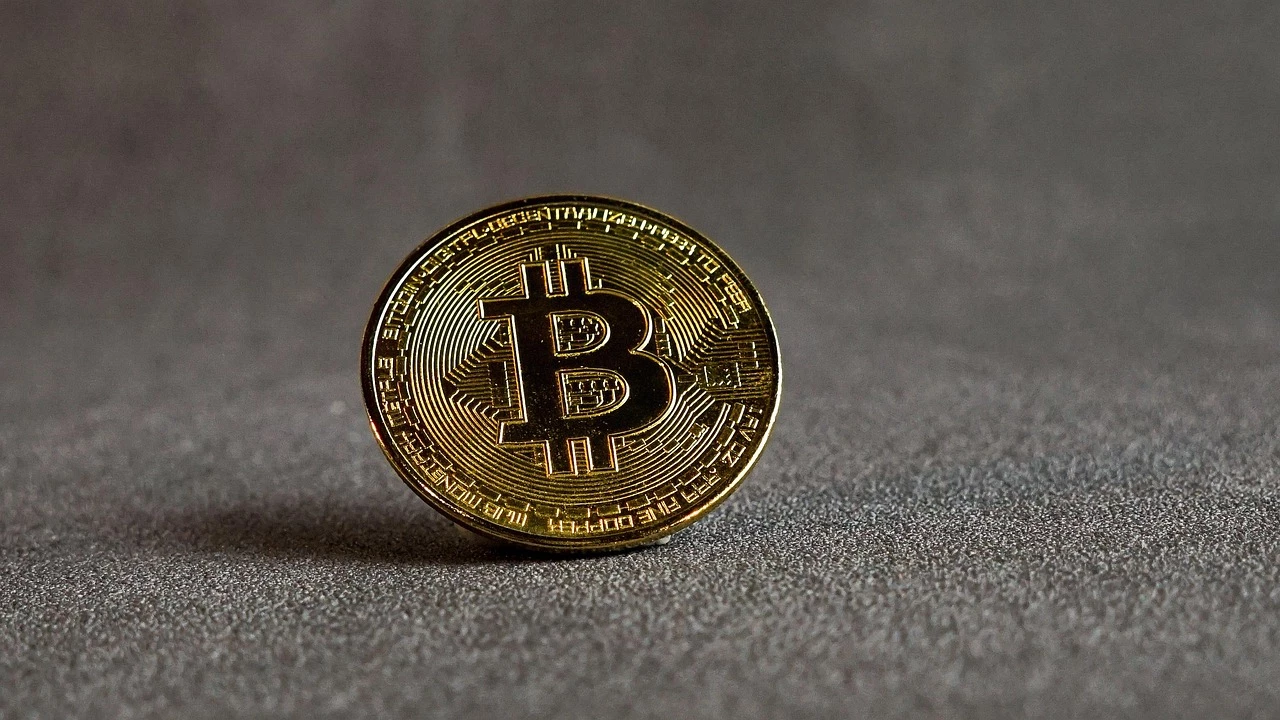
The Rise of DeFi: How Decentralized Finance is Shaping the Future of Cryptocurrency
This article covers KULA and related crypto trends with practical context. Decentralized Finance, or DeFi, is transforming the cryptocurrency landscape. With its innovative approach to financial services, it allows users to lend, borrow, and trade assets without traditional intermediaries. As more people embrace this shift, understanding the key components of DeFi becomes essential for both new and seasoned traders.
This article will delve into the mechanics of DeFi, the leading projects in the space, and the implications for the broader financial ecosystem. Whether you're looking to invest or simply stay informed, the rise of DeFi presents opportunities and challenges worth exploring.
What is DeFi and Why Does it Matter?
The Basics of Decentralized Finance
DeFi refers to a set of financial services built on blockchain technology that operates without a central authority. This paradigm shift allows for peer-to-peer transactions, enabling users to have full control over their assets. Unlike traditional finance, where banks and institutions hold significant power, DeFi empowers individuals by removing intermediaries, thus reducing fees and increasing accessibility.
Key Features of DeFi
Some of the standout features of DeFi include smart contracts, which automate processes and enforce agreements without the need for human intervention. Additionally, DeFi platforms often offer greater transparency, as all transactions are recorded on the blockchain, making it easy to track and audit activities. Moreover, the open-source nature of many DeFi projects fosters innovation and collaboration, leading to rapid advancements in the sector.
Leading Players in the DeFi Space
Top DeFi Projects to Watch
Ethereum remains the backbone of DeFi, hosting a majority of projects due to its robust smart contract capabilities. Other notable platforms include Binance Smart Chain, which offers lower fees, and Solana, known for its high-speed transactions. Additionally, protocols like Uniswap and Aave have gained prominence for decentralized trading and lending, respectively. These projects exemplify the diversity and potential within the DeFi ecosystem.
Emerging Trends and Innovations
Recent trends indicate a growing interest in cross-chain compatibility, allowing assets to move seamlessly between different blockchain networks. Furthermore, the rise of yield farming and liquidity mining has attracted users looking to maximize returns on their investments. As the DeFi landscape evolves, staying informed about these trends can provide valuable insights for strategic investment decisions.
Risks and Challenges in DeFi
Understanding the Risks
While DeFi presents exciting opportunities, it's crucial to recognize the inherent risks. Smart contract vulnerabilities can lead to significant losses if exploited, and the lack of regulatory oversight raises concerns about scams and fraud. Furthermore, market volatility can impact asset values, making it essential for investors to conduct thorough research and remain vigilant.
Navigating the Regulatory Landscape
As DeFi continues to grow, regulators are starting to take notice. The lack of centralized control poses challenges for compliance with existing financial regulations. It's vital for participants in the DeFi space to stay updated on regulatory developments, as changes could significantly impact how these platforms operate and the services they can provide.
The Future of DeFi and Its Impact on Traditional Finance
Potential for Disruption
DeFi has the potential to disrupt traditional financial systems by offering more inclusive and efficient alternatives. As more users adopt DeFi solutions, financial institutions may need to adapt or risk losing relevance. The integration of DeFi with traditional finance could lead to innovative products and services that benefit consumers worldwide.
Clarity in scope and metrics keeps teams aligned in The Rise of DeFi: How Decentralized Finance is Shaping the Future of Cryptocurrency. Write crisp definitions of done, instrument the path to green, and audit dependencies. Small, testable changes lower risk and speed up feedback. Builders who last in The Rise of DeFi: How Decentralized Finance is Shaping the Future of Cryptocurrency do unglamorous work. Document edge cases, measure latency, track fees and liquidity, and review error budgets. Discipline compounds faster than hot takes. Treat KULA as one variable in a wider model. Most outcomes in The Rise of DeFi: How Decentralized Finance is Shaping the Future of Cryptocurrency come from repeatable systems. Define assumptions, risks, invalidation points, and a recheck cadence. This habit beats narratives. Use KULA as a lens, but let decisions follow current data, not hype. Operating in The Rise of DeFi: How Decentralized Finance is Shaping the Future of Cryptocurrency benefits from early telemetry and automated dashboards. Transparency reduces rework and panic moves. When KULA shifts, context is already captured, so you can adjust calmly instead of reacting late.
Operating in The Rise of DeFi: How Decentralized Finance is Shaping the Future of Cryptocurrency benefits from early telemetry and automated dashboards. Transparency reduces rework and panic moves. When KULA shifts, context is already captured, so you can adjust calmly instead of reacting late. Focus on liquidity, counterparty risk, and execution quality in The Rise of DeFi: How Decentralized Finance is Shaping the Future of Cryptocurrency. Prefer clear fee schedules and avoid hidden slippage. When uncertainty rises, reduce position size and extend review intervals. Most outcomes in The Rise of DeFi: How Decentralized Finance is Shaping the Future of Cryptocurrency come from repeatable systems. Define assumptions, risks, invalidation points, and a recheck cadence. This habit beats narratives. Use KULA as a lens, but let decisions follow current data, not hype.
What Lies Ahead for Investors
For investors, the growth of DeFi presents both opportunities and challenges. Identifying promising projects and understanding market dynamics will be crucial for success. As the space matures, we can expect increased collaboration between DeFi platforms and traditional financial entities, leading to a more integrated financial ecosystem.
Key Takeaways
- Avoid leverage creep during volatility.
- Use data, not headlines, to decide.
- Test changes on small capital first.
- Automate logs and alert on anomalies.