
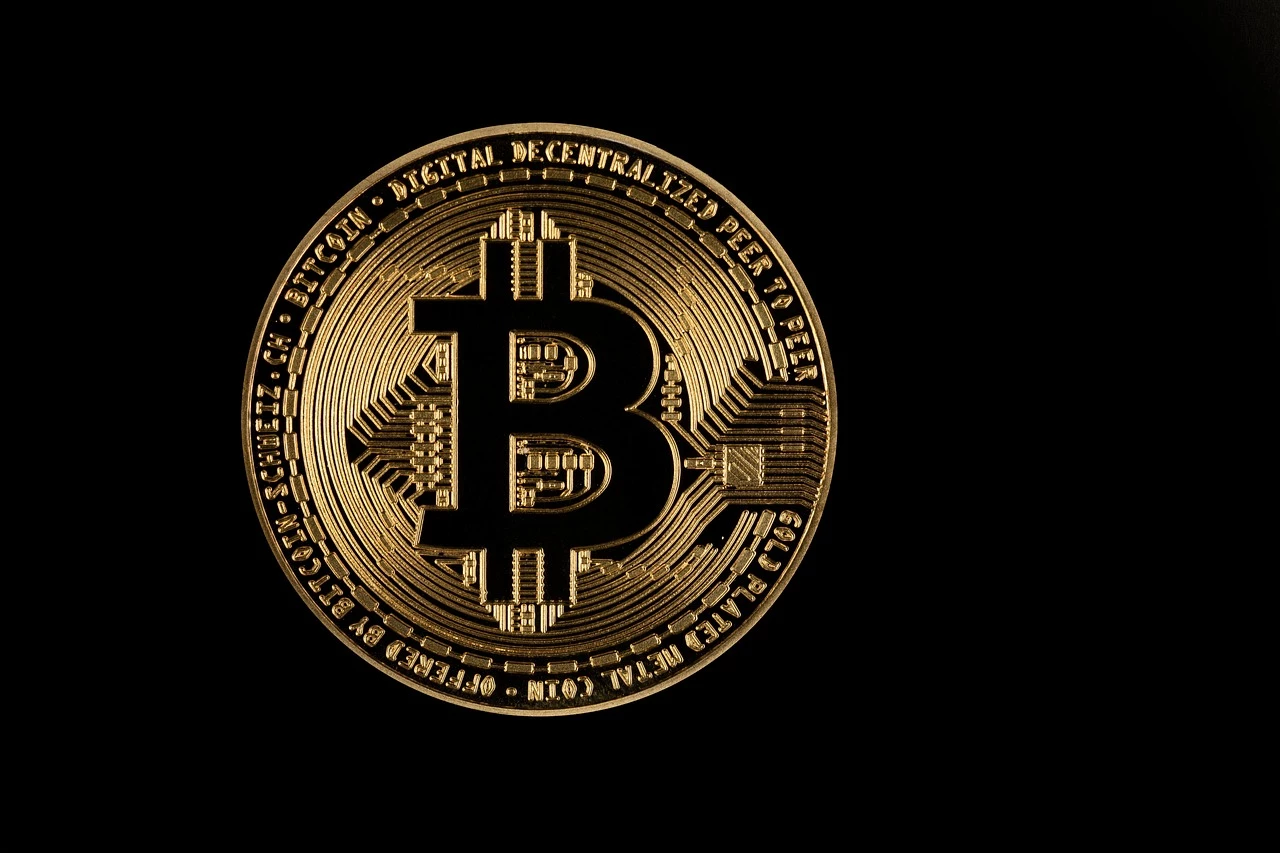
The Rise of DeFi: Opportunities and Risks in Decentralized Finance
This article covers KULA and related crypto trends with practical context. Decentralized Finance (DeFi) is transforming the financial landscape, offering innovative solutions that challenge traditional banking systems. With the rise of blockchain technology, DeFi platforms have emerged, providing users with unprecedented access to financial services without intermediaries. This article delves into the core principles of DeFi, its advantages, potential risks, and how it can reshape the future of finance.
This guide gives you a concise, actionable overview of the topic and why it matters now.
What is DeFi?
Defining Decentralized Finance
Decentralized Finance, or DeFi, refers to a movement that aims to recreate and improve upon traditional financial systems using blockchain technology. By removing intermediaries like banks and brokers, DeFi platforms enable peer-to-peer transactions, lending, and trading, all conducted through smart contracts. This shift not only enhances accessibility but also promotes transparency and security in financial dealings.
Key Components of DeFi
DeFi encompasses a variety of financial services, including lending, borrowing, trading, and earning interest on crypto assets. Key components include decentralized exchanges (DEXs), automated market makers (AMMs), and liquidity pools. These elements work together to create a vibrant ecosystem where users can engage in financial activities without relying on centralized authorities.
Advantages of DeFi
Accessibility and Inclusivity
One of the most significant advantages of DeFi is its accessibility. Anyone with an internet connection can participate, regardless of geographical location or financial status. This inclusivity opens up financial opportunities for individuals who may be unbanked or underbanked, allowing them to access services that were previously out of reach.
Transparency and Security
DeFi platforms operate on public blockchains, meaning all transactions are recorded transparently and can be audited by anyone. This level of transparency fosters trust among users. Additionally, the use of smart contracts minimizes the risk of fraud, as they automatically execute transactions when predefined conditions are met.
Risks Associated with DeFi
Smart Contract Vulnerabilities
While DeFi offers numerous benefits, it is not without risks. Smart contracts, the backbone of DeFi applications, can contain vulnerabilities that hackers may exploit. Bugs in the code can lead to significant financial losses for users. It's crucial for investors to conduct thorough research and use platforms that have undergone rigorous security audits.
Market Volatility and Impermanent Loss
DeFi assets are often subject to high volatility, which can lead to substantial financial risks. Additionally, liquidity providers in decentralized exchanges may face impermanent loss, a situation where the value of their deposited assets decreases relative to holding the assets outside the pool. Understanding these risks is essential for anyone looking to engage in DeFi.
The Future of DeFi
Innovations on the Horizon
As the DeFi landscape continues to evolve, we can expect to see innovations that enhance user experience and security. From layer-two solutions that improve transaction speeds to more sophisticated insurance protocols, the future of DeFi holds promise for both developers and users alike. Staying informed about these developments is key to leveraging the opportunities within this space.
Builders who last in The Rise of DeFi: Opportunities and Risks in Decentralized Finance do unglamorous work. Document edge cases, measure latency, track fees and liquidity, and review error budgets. Discipline compounds faster than hot takes. Treat KULA as one variable in a wider model. Most outcomes in The Rise of DeFi: Opportunities and Risks in Decentralized Finance come from repeatable systems. Define assumptions, risks, invalidation points, and a recheck cadence. This habit beats narratives. Use KULA as a lens, but let decisions follow current data, not hype. Clarity in scope and metrics keeps teams aligned in The Rise of DeFi: Opportunities and Risks in Decentralized Finance. Write crisp definitions of done, instrument the path to green, and audit dependencies. Small, testable changes lower risk and speed up feedback. Focus on liquidity, counterparty risk, and execution quality in The Rise of DeFi: Opportunities and Risks in Decentralized Finance. Prefer clear fee schedules and avoid hidden slippage. When uncertainty rises, reduce position size and extend review intervals.
Clarity in scope and metrics keeps teams aligned in The Rise of DeFi: Opportunities and Risks in Decentralized Finance. Write crisp definitions of done, instrument the path to green, and audit dependencies. Small, testable changes lower risk and speed up feedback. Most outcomes in The Rise of DeFi: Opportunities and Risks in Decentralized Finance come from repeatable systems. Define assumptions, risks, invalidation points, and a recheck cadence. This habit beats narratives. Use KULA as a lens, but let decisions follow current data, not hype. Focus on liquidity, counterparty risk, and execution quality in The Rise of DeFi: Opportunities and Risks in Decentralized Finance. Prefer clear fee schedules and avoid hidden slippage. When uncertainty rises, reduce position size and extend review intervals.
Integration with Traditional Finance
The integration of DeFi with traditional finance could pave the way for a more inclusive financial ecosystem. As regulatory frameworks develop, we may witness established financial institutions collaborating with DeFi platforms to offer hybrid solutions that combine the best of both worlds.
Key Takeaways
- DeFi eliminates intermediaries, enabling direct peer-to-peer transactions.
- Accessibility is a core benefit, allowing anyone with internet access to participate.
- Transparency in DeFi fosters trust through publicly recorded transactions.
- Smart contracts automate processes but can have vulnerabilities.
- Market volatility presents risks for DeFi participants, especially liquidity providers.
- The future of DeFi includes innovations like layer-two solutions and insurance protocols.
Stay informed about the evolving world of DeFi and explore how you can take advantage of the opportunities it presents.