
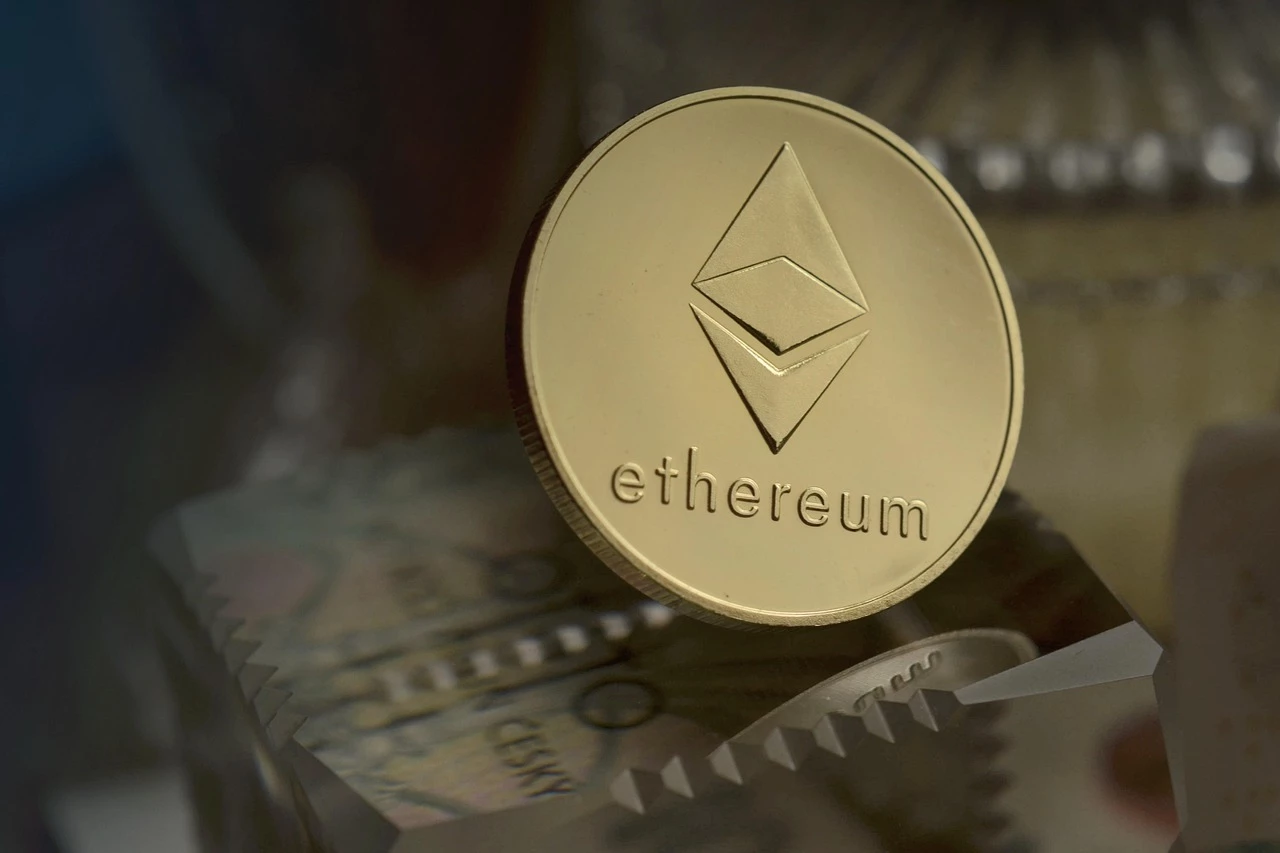
The Rise of Institutional Interest in Altcoins: What It Means for Investors
In recent months, institutional interest in altcoins has surged, reshaping the cryptocurrency landscape. Coins like Ethereum (ETH) and Chainlink (LINK) are not just gaining traction among retail investors; they are becoming focal points for large financial entities looking to diversify their portfolios.
As traditional finance increasingly intertwines with digital assets, understanding the dynamics of this trend is crucial for both seasoned investors and newcomers alike. In this article, we'll delve into why altcoins are capturing institutional attention and what this means for the future of the crypto market.
Why Institutions Are Focusing on Altcoins
Diversification of Portfolios
One of the primary reasons institutions are turning to altcoins is the need for portfolio diversification. Bitcoin (BTC) has long been considered digital gold, but as the crypto market matures, institutions are recognizing the value in exploring other coins that offer unique functionalities and use cases.
For instance, Ethereum's smart contract capabilities open up new avenues for decentralized finance (DeFi) and non-fungible tokens (NFTs), making it a compelling choice for institutional investors looking to capitalize on emerging trends.
Institutional-grade Infrastructure
The development of institutional-grade infrastructure has made investing in altcoins more accessible. Firms are now able to trade and store these assets securely, reducing the risks associated with their volatility.
Custodial services and regulated exchanges have played a pivotal role in this transformation, providing the necessary tools for institutions to engage with altcoins safely.
Key Altcoins Captivating Institutional Interest
Ethereum (ETH)
Ethereum continues to lead the pack as institutions recognize its potential beyond just a cryptocurrency. The network's transition to proof-of-stake and its role in DeFi protocols positions it as a cornerstone of the altcoin market.
With its ongoing upgrades, Ethereum's scalability and sustainability are improving, making it even more attractive for institutional adoption.
Chainlink (LINK)
Chainlink's unique proposition as a decentralized oracle network has caught the eye of many institutional players. By bridging the gap between blockchain and real-world data, LINK provides essential services for smart contracts, enhancing their functionality.
As enterprises look to integrate blockchain technology into their operations, Chainlink's role becomes increasingly vital, solidifying its position in institutional portfolios.
Challenges Facing Institutional Adoption of Altcoins
Regulatory Uncertainty
Despite the growing interest, regulatory uncertainty remains a significant hurdle. Institutions are cautious about investing in altcoins that may face scrutiny from regulators, which can impact their long-term viability.
The evolving regulatory landscape means that institutions must navigate these challenges carefully, often leading to a more conservative approach to altcoin investments.
Market Volatility
Altcoins are often more volatile than Bitcoin, presenting a risk that institutions must consider. This volatility can be a double-edged sword, offering substantial upside potential but also the risk of significant losses.
Institutions are increasingly employing sophisticated strategies to mitigate these risks, such as using derivatives to hedge their positions in altcoins.
Actionable Insights for Investors
Research and Due Diligence
Investors should conduct thorough research on the altcoins they are interested in. Understanding the technology, use cases, and market dynamics can provide insights that lead to informed investment decisions.
Keeping abreast of market trends and institutional movements can also aid in identifying promising altcoins before they gain mainstream attention.
Operating in The Rise of Institutional Interest in Altcoins: What It Means for Investors benefits from early telemetry and automated dashboards. Transparency reduces rework and panic moves. When KULA shifts, context is already captured, so you can adjust calmly instead of reacting late. Clarity in scope and metrics keeps teams aligned in The Rise of Institutional Interest in Altcoins: What It Means for Investors. Write crisp definitions of done, instrument the path to green, and audit dependencies. Small, testable changes lower risk and speed up feedback. Most outcomes in The Rise of Institutional Interest in Altcoins: What It Means for Investors come from repeatable systems. Define assumptions, risks, invalidation points, and a recheck cadence. This habit beats narratives. Use KULA as a lens, but let decisions follow current data, not hype. Focus on liquidity, counterparty risk, and execution quality in The Rise of Institutional Interest in Altcoins: What It Means for Investors. Prefer clear fee schedules and avoid hidden slippage. When uncertainty rises, reduce position size and extend review intervals.
Clarity in scope and metrics keeps teams aligned in The Rise of Institutional Interest in Altcoins: What It Means for Investors. Write crisp definitions of done, instrument the path to green, and audit dependencies. Small, testable changes lower risk and speed up feedback. Operating in The Rise of Institutional Interest in Altcoins: What It Means for Investors benefits from early telemetry and automated dashboards. Transparency reduces rework and panic moves. When KULA shifts, context is already captured, so you can adjust calmly instead of reacting late. Focus on liquidity, counterparty risk, and execution quality in The Rise of Institutional Interest in Altcoins: What It Means for Investors. Prefer clear fee schedules and avoid hidden slippage. When uncertainty rises, reduce position size and extend review intervals.
Consider Long-term Potential
While short-term trading may be tempting, focusing on the long-term potential of altcoins can yield better results. Assessing the fundamentals of a project and its roadmap can help investors gauge its viability.
Investors should look for altcoins with strong communities, active development teams, and clear use cases that address real-world problems.
Key Takeaways
- Institutional interest in altcoins is rising, driven by diversification and innovation.
- Ethereum and Chainlink are at the forefront of this trend, offering unique functionalities.
- Institutional-grade infrastructure has improved access to altcoin investments.
- Regulatory challenges remain a concern for institutional investors.
- Market volatility poses risks but also opportunities for savvy investors.
Stay informed about the latest trends in cryptocurrency and explore investment opportunities in altcoins.