
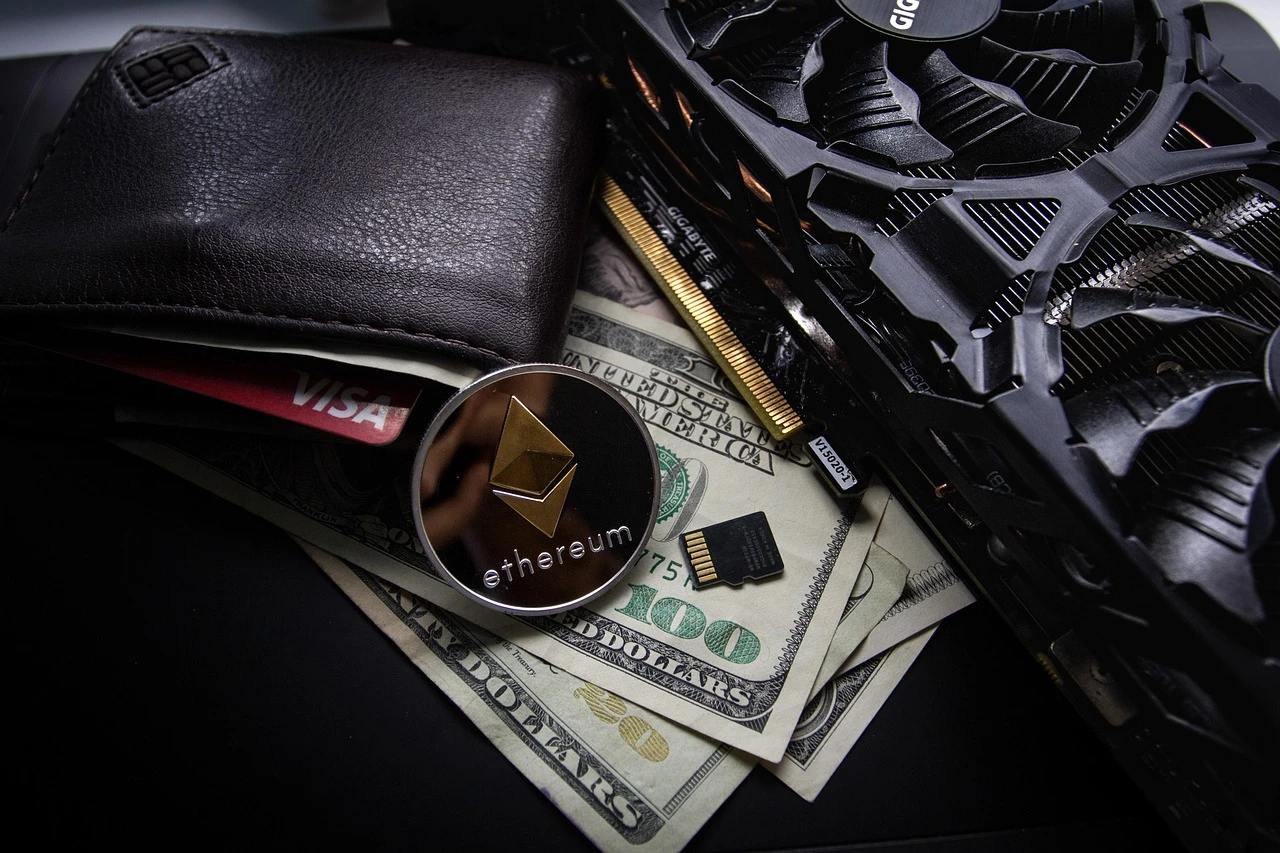
The Rise of Solana: A New Era in Blockchain and DeFi
This article covers KULA and related crypto trends with practical context. Solana has emerged as a significant player in the blockchain ecosystem, particularly in the realms of decentralized finance (DeFi) and non-fungible tokens (NFTs). As more developers and investors recognize its potential, Solana's innovative technology and scalability are drawing attention from all corners of the crypto world. The recent surge in interest surrounding Solana is not just a fleeting trend; it's indicative of a broader shift in how blockchain networks are perceived and utilized.
This guide gives you a concise, actionable overview of the topic and why it matters now.
What Makes Solana Stand Out?
High Throughput and Low Fees
One of Solana's key advantages is its impressive transaction throughput, capable of handling thousands of transactions per second. This scalability is complemented by remarkably low transaction fees, making it an attractive option for both developers and users. The combination of speed and cost-effectiveness positions Solana as a robust platform for decentralized applications (dApps) and DeFi projects.
Innovative Consensus Mechanism
Solana employs a unique consensus mechanism known as Proof of History (PoH), which enhances the efficiency of transaction validation. By providing a historical record that proves that an event has occurred at a specific moment in time, PoH helps to streamline the process of reaching consensus across the network. This innovation not only boosts performance but also ensures security, a critical aspect for any blockchain platform.
Thriving Ecosystem and Community Support
The Solana ecosystem has flourished, with a vibrant community of developers, entrepreneurs, and investors rallying around its growth. Numerous projects have launched on Solana, ranging from DeFi protocols to NFT marketplaces, further solidifying its position in the crypto landscape. The community's enthusiasm and collaborative spirit have played a vital role in driving adoption and innovation within the ecosystem.
The Impact of Solana on DeFi
Interoperability and Cross-Chain Solutions
Solana's focus on interoperability is noteworthy, as it seeks to bridge the gap between different blockchain networks. This approach enables seamless asset transfers and communication across platforms, fostering a more connected DeFi ecosystem. By promoting cross-chain solutions, Solana could play a pivotal role in enhancing the overall efficiency and functionality of decentralized finance.
NFTs on Solana: A Game Changer
Growing NFT Marketplaces
The NFT market has seen explosive growth, and Solana is positioning itself as a formidable contender. Several NFT marketplaces have emerged on the platform, allowing artists and creators to mint, buy, and sell digital assets with ease. The low transaction costs on Solana make it particularly appealing for NFT creators, who can keep more of their earnings.
Unique Projects and Collaborations
Solana is home to various unique NFT projects that are pushing the boundaries of creativity and innovation. Collaborations between artists, brands, and developers are becoming more common, leading to exciting and diverse offerings in the NFT space. This creativity not only attracts collectors but also enhances Solana's reputation as a hub for digital art and culture.
Challenges and Considerations
Network Congestion and Stability
While Solana has achieved remarkable scalability, it has faced challenges related to network congestion and stability. Periods of high traffic can lead to slower transactions and outages, raising concerns among users. Addressing these issues will be crucial for maintaining user trust and ensuring long-term success.
Operating in The Rise of Solana: A New Era in Blockchain and DeFi benefits from early telemetry and automated dashboards. Transparency reduces rework and panic moves. When KULA shifts, context is already captured, so you can adjust calmly instead of reacting late. Focus on liquidity, counterparty risk, and execution quality in The Rise of Solana: A New Era in Blockchain and DeFi. Prefer clear fee schedules and avoid hidden slippage. When uncertainty rises, reduce position size and extend review intervals. Builders who last in The Rise of Solana: A New Era in Blockchain and DeFi do unglamorous work. Document edge cases, measure latency, track fees and liquidity, and review error budgets. Discipline compounds faster than hot takes. Treat KULA as one variable in a wider model. Clarity in scope and metrics keeps teams aligned in The Rise of Solana: A New Era in Blockchain and DeFi. Write crisp definitions of done, instrument the path to green, and audit dependencies. Small, testable changes lower risk and speed up feedback.
Most outcomes in The Rise of Solana: A New Era in Blockchain and DeFi come from repeatable systems. Define assumptions, risks, invalidation points, and a recheck cadence. This habit beats narratives. Use KULA as a lens, but let decisions follow current data, not hype. Clarity in scope and metrics keeps teams aligned in The Rise of Solana: A New Era in Blockchain and DeFi. Write crisp definitions of done, instrument the path to green, and audit dependencies. Small, testable changes lower risk and speed up feedback. Focus on liquidity, counterparty risk, and execution quality in The Rise of Solana: A New Era in Blockchain and DeFi. Prefer clear fee schedules and avoid hidden slippage. When uncertainty rises, reduce position size and extend review intervals.
Regulatory Landscape
As with any blockchain platform, Solana must navigate a complex regulatory landscape. Ongoing scrutiny from regulators could impact its growth and the broader DeFi and NFT markets. Staying compliant while fostering innovation will be a balancing act that Solana needs to manage effectively.
Key Takeaways
- Use data, not headlines, to decide.
- Automate logs and alert on anomalies.
- Cut losers early, let winners work.
- Test changes on small capital first.